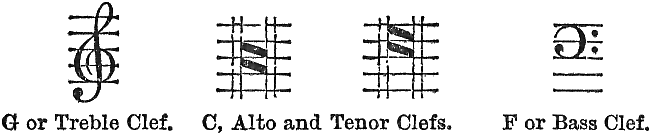
Today I learned about the stave and clefs, notes, bars and related. Since this new information hasn't been tempered with practical application yet, maybe learned isn't the right word. "Exposure to" is probably more honest.Thebest explanation for bass and trebel clefscome fromThe Music Theory Guy, with honorable mention going toHow To Read Music FastbyMantius Cazaubon.While I zoom in on various aspects of music theory, I'm also getting a big picture look at Jazz withPlaying Changes: Jazz for the New Century. The authorNate Chinenis a top Jazz critic and he flexes his world class writing skills and extensive knowledge of music in this historical overview.Another book that I'm getting a kick out of isBasic Music Theory: How to Read, Write, and Understand Written MusicbyJonathan Harnum. He too is providing a broader look at music theory, not just for playing the piano but notation for guitar and percussion instruments.Piano may be the best instrument for me to learn music theory, but I want to keep my options open and explore the terrain.
The xylophone is looking pretty good right about now...I'm awash in piano tutorials, and every one seems to employ a different system. However, there's consensus between Wikihow'sHow to Teach Yourself to Play the Piano, Lisa's (I don't know her last name)Piano Video Lessonsand James Rhodes'How to Play the Pianobook thateach finger and thumb needs to be assigned a note. Doing this now will instill good habits and prevent bad habits from forming.Makes sense.What doesn't make sense to this opinionated beginner is numbering the notes (as Wikihow suggests) or numbering the fingers (as Lisa instructs in herexcellent video). For example the thumb would be 1 and/or the C note; the index finger would be 2 and also the D note; and so on. To me, this unnecessarily complicates things and creates another layer of abstraction.I'll follow James Rhodes on this and for the right hand designate the thumb for C, index finger for D, middle finger for E, ring finger for F and pinky for G.Note sure about the left hand. I haven't gotten that far in his book.
My struggle with internalizing the white keys reminds me of a story.A Zen Buddhist monk was being interviewed for advancement in the Sangha (community). He had spent many years meditating, studying the commentaries and had graduated the koans. At the entrance of the zendo he took off his shoes and put down his umbrella.The Roshi appeared, smiling modestly, and immediately asked the monk this simple question: what shoe did you take off first, the left or the right?The monk was momentarily stunned. He couldn't remember. He hadn't paid attention.The monk politely bowed, put his shoes back on, picked up his umbrella and left. He practiced for another 10 years before reapplying for the position.I feel a bit like the monk right now. I can't even do the most basic thing in piano: instinctively and instantly play the right note on command.I have memorized the white and black keys, but not internalized them. There is often a half-second or so delay before I remember what note a particular key is.However, unlike the monk, I'm unwilling to practice another 10 years before I get such a simple thing right. I'm moving on to the next stage.And regarding yesterday's7 minute white key drill: it's way too fast. I can't keep up with it. Not even close. Maybe I'll re-record it when I have some time.
 Today I learned about the stave and clefs, notes, bars and related. Since this new information hasn't been tempered with practical application yet, maybe learned isn't the right word. "Exposure to" is probably more honest. The best explanation for bass and trebel clefs come from The Music Theory Guy, with honorable mention going to How To Read Music Fast by Mantius Cazaubon. While I zoom in on various aspects of music theory, I'm also getting a big picture look at Jazz with Playing Changes: Jazz for the New Century. The author Nate Chinen is a top Jazz critic and he flexes his world class writing skills and extensive knowledge of music in this historical overview. Another book that I'm getting a kick out of is Basic Music Theory: How to Read, Write, and Understand Written Music by Jonathan Harnum. He too is providing a broader look at music theory, not just for playing the piano but notation for guitar and percussion instruments. Piano may be the best instrument for me to learn music theory, but I want to keep my options open and explore the terrain.